
Contents
The Women's World Chess Championship has been held since 1927. In almost 90 years of its existence only 17 women on the planet have earned the title of champion. Thanks to their skill the winners were in no hurry to give up the title and defended it more than once. The championship is supervised by the international organisation FIDE. Rating lists of women players are compiled every year on the basis of various tournaments.
It is worth noting that the strongest woman player of modern times (by rating, since the mid-1990s), Judit Polgár, took part only in men's competitions and never played in matches for the women's title.
WOMEN'S WORLD CHAMPIONS
- Vera Menchik (1927–1944)
- Lyudmila Rudenko (1950–1953)
- Elisaveta Bykova (1953–1956) and (1958–1962)
- Olga Rubtsova (1956–1958)
- Nona Gaprindashvili (1962–1978)
- Maia Chiburdanidze (1978–1991)
- Xie Jun (1991–1996) and (1999–2001)
- Zsuzsa Polgár (1996–1999)
- Zhu Chen (2001–2004)
- Antoaneta Stefanova (2004–2006)
- Xu Yuhua (2006–2008)
- Alexandra Kosteniuk (2008–2010)
- Hou Yifan (2010–2012), (2013–2015) and (2016–2017)
- Anna Ushenina (2012–2013)
- Mariya Muzychuk (2015–2016)
- Tan Zhongyi (2017–2018)
- Ju Wenjun (since 2018)
Vera Menchik
Our list opens with Vera Menchik, born in 1906 to a Czech father and an English mother. She spent most of her childhood in Russia, where she received her primary education. At 15 Vera moved with her parents to England, where her chess career began. In 1927 she took part in the world's first women's championship and became its queen. From then on she won most of the women's tournaments.
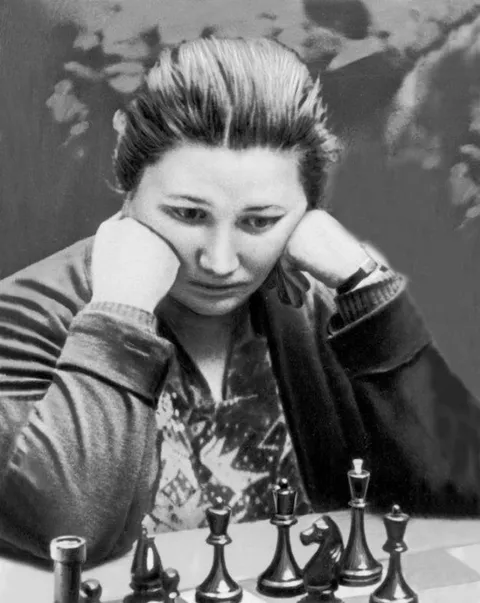
First women's world chess champion, 1927–1944 Vera Menchik (1906–1944). Born in Russia to a Czech father and an English mother. In 1927 she took part in the first Women's World Chess Championship and became its queen. She remained world champion until the end of her life. She died tragically in 1944 during a German air raid.
From 1929 Vera Menchik also played in men's tournaments. Before the first such tournament she entered (in Carlsbad), the Viennese master Albert Becker suggested founding the “Vera Menchik Club”, to which the male masters and grandmasters who lost to her would be “admitted”. At that tournament Becker himself became the club's first member; Friedrich Sämisch lost to her as well. The “Vera Menchik Club” also included Edgar Colle, Max Euwe, Jacques Mieses, Samuel Reshevsky, Mir Sultan Khan and other well-known players of the 1920s and 1930s. Her best result among men came in 1929 in Ramsgate, where she shared second place with Akiba Rubinstein, half a point behind the winner, José Raúl Capablanca, and ahead of her teacher Géza Maróczy. In 1934 she took third place in a tournament in Maribor, ahead of Rudolf Spielmann and Milan Vidmar.
Of the 487 games she played in men's tournaments she won 147 and drew as many. Her most successful tournaments were Montevideo, Maribor and Ramsgate. In 1942 she defeated the German grandmaster Mieses.
The cup awarded to the winning team of the Women's Chess Olympiad (contested since 1957) is named after Vera Menchik.
Lyudmila Rudenko
Lyudmila Rudenko was born in 1904 in Lubny (Poltava Governorate). Her first big success came in 1928, when she became Moscow champion, winning all twelve games of the city championship. From 1929 she lived in Leningrad, where under the guidance of P. Romanovsky and A. Tolush her combinative style of play took shape. She was Leningrad champion seven times and performed well in seventeen USSR championships.
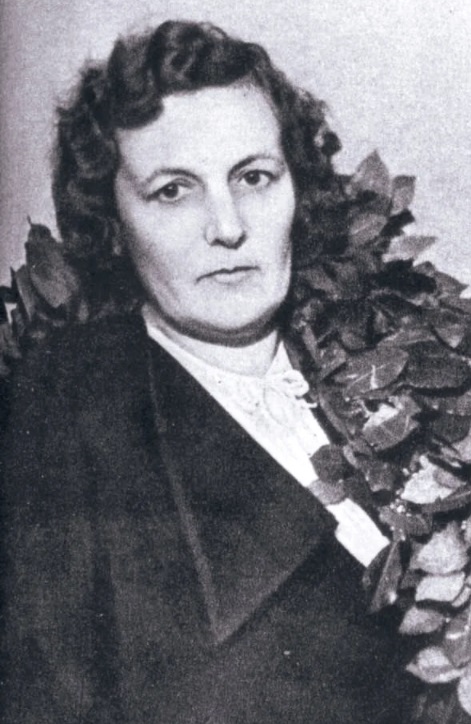
Second women's world chess champion, 1950–1953 Lyudmila Vladimirovna Rudenko (1904–1986) was born in the small town of Lubny (Poltava Governorate). She became world champion in the women's championship (Moscow, 1949–1950), taking first place with 11.5 points out of 15 and winning the gold medal.
In the 1949 Women's World Championship held in Moscow, Lyudmila Rudenko took first place. She won the gold medal and the title of second women's world chess champion (after Vera Menchik). Having become world champion, Rudenko left her job at a factory and lived on the stipend she was paid. In 1950 she received the title of International Master (men's). In 1952 she also became USSR champion, winning the 12th women's national championship in Tbilisi. She played in the 1st and 16 other national championships; best results: 1952 — 1st place; 1936, 1945, 1947/48 and 1953 — 2nd place. Champion of Moscow (1928), Leningrad (1932, 1936, 1947, 1957, 1958, 1962 and 1963), of the Spartak (1937) and Zenit (1954) sports societies, and of the open championships of the Uzbek SSR (1955) and the Ukrainian SSR (1956). She took part in a number of international matches, including the USSR — Great Britain radio match (1946) and the matches USSR — Czechoslovakia (1954) and Leningrad — Budapest (1957). For her chess achievements she was awarded the Order of the Badge of Honour (1957).
Elisaveta Bykova
Elisaveta Bykova was born in 1913 in the village of Bogolyubovo (now Vladimir Oblast). In 1952 she won the Candidates tournament and earned the right to a match against Lyudmila Rudenko. The title match took place in 1953. Bykova beat her compatriot and became the third holder of the chess crown in history. Three years later, in 1956, a match-tournament was held to determine the new champion. Its participants were Elisaveta Bykova, Lyudmila Rudenko and Olga Rubtsova. The games were played in Moscow from 21 August to 21 September. Elisaveta could not defend her title, finishing half a point behind Olga Rubtsova.
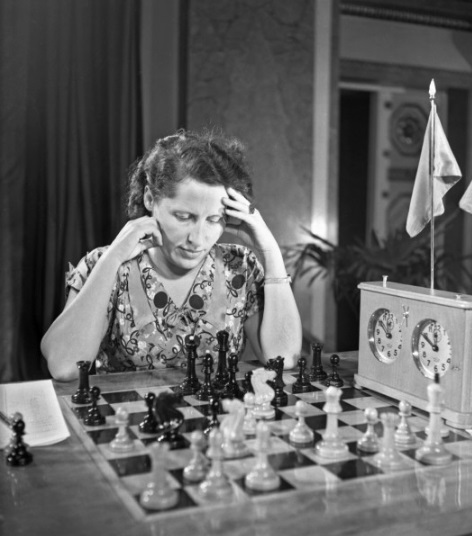
Third women's world chess champion, 1953–1956 and 1958–1962 Elisaveta Ivanovna Bykova (1913–1989) was born in the village of Bogolyubovo. She became world champion in 1953 by winning the match against Lyudmila Rudenko 8:6. In the late 1950s and early 1960s she played three world championship matches in Moscow (in 1958 and 1960 she beat Olga Rubtsova and Kira Zvorykina). In 1962 she lost the title to Nona Gaprindashvili. She played in Moscow tournaments until the late 1970s.
The title passed from Bykova to Olga Rubtsova in 1956, but only for two years. In 1958 the return match allowed Bykova to regain the title of the strongest woman player. Bykova played in many tournaments and achieved high results in team meetings with players from Czechoslovakia, East Germany, Yugoslavia and England. In 1962 she played her last title match, which she lost to the young Nona Gaprindashvili. Besides chess, Elisaveta Bykova devoted much attention and energy to writing. She is the author of books about the women's chess movement in the Soviet Union, “Soviet Women Chess Players”, and about the first women's world champion, “Vera Menchik”. For her great contribution to chess Bykova was awarded the Order of the Badge of Honour.
Olga Rubtsova
Olga Nikolaevna Rubtsova was born in 1909 in Moscow (USSR). A Soviet chess player: women's world champion (1956), Woman Grandmaster (1976), International Master of the ICCF (International Correspondence Chess Federation) among men (1973) and women (1975), International Arbiter (1964), Honoured Master of Sport of the USSR (1952), and a foundry engineer by profession. Winner of the 1st Women's Chess Olympiad with the USSR team (1957). Four-time USSR champion. Three-time Moscow champion.
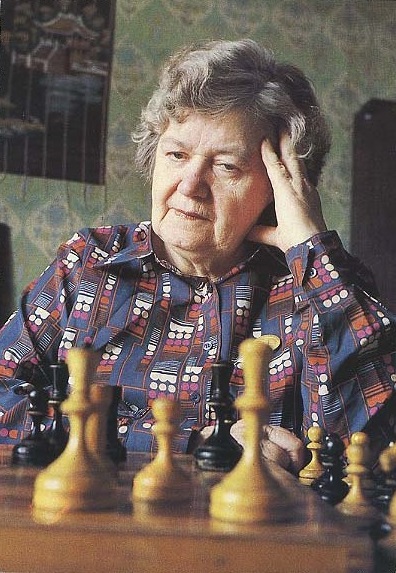
Fourth women's world chess champion, 1956–1958 Olga Rubtsova (1909–1994) was born in 1909 in Moscow (USSR). In 1956 she finished ahead of Elisaveta Bykova and Lyudmila Rudenko in a match-tournament and won the title of world champion.
From the late 1960s she played successfully in correspondence chess; in 1968–72 she became the first women's correspondence world champion (the only woman to hold champion titles in both over-the-board and correspondence chess). In the 2nd championship (1972–1977) she shared 1st–2nd place. With the USSR team she won the women's correspondence world championship (1969–79). From 1964 Olga was a member of the international sports arbitration court, which helps resolve all kinds of sporting disputes and conflicts. Olga Nikolaevna's style of play, her original decisions and complex gambits entered not only the textbooks for chess players but also the legends of world sport. In the same sixties Rubtsova and Chudova published the book “The Creative Work of Soviet Women Chess Players”, translated into many languages.
Nona Gaprindashvili
Nona Terentyevna Gaprindashvili was born on 3 May 1941 in Zugdidi (a town in western Georgia). A Soviet and Georgian chess player, women's world champion (1962–1978), the first Woman Grandmaster (1976) and the first woman awarded the men's title of International Grandmaster (1978). Five-time USSR champion. Chair of the FIDE Women's Commission (1980–1986). The first winner of the “Chess Oscar” (1982). President of the National Olympic Committee of Georgia (1989–1996).
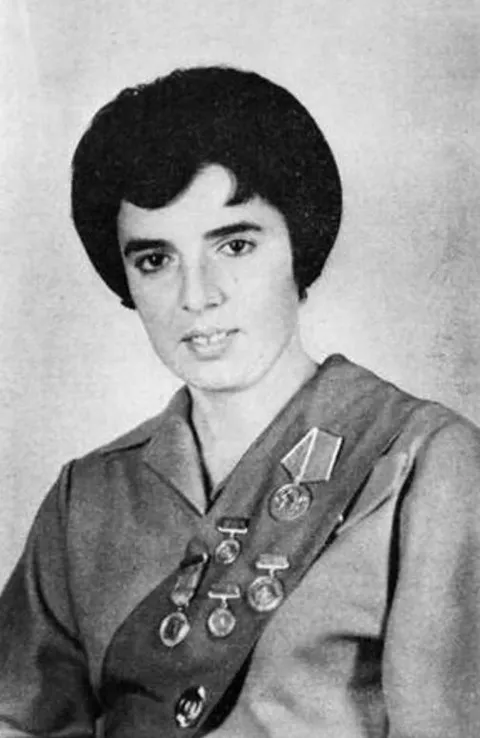
Fifth women's world chess champion, 1962–1978 Nona Gaprindashvili was born in 1941 in Zugdidi (a town in western Georgia). Sixteen years on the chess throne. In 1962 she won the world championship match against Elisaveta Bykova 9:2. Gaprindashvili won the title of the world's strongest woman player and held it until 1978.
Thanks to her universal style she was able to fight on equal terms with men in international tournaments, winning the side tournament at Hastings (1963–1964), the US Open in Lone Pine (1977), Reggio Emilia (1983, Italy) and Wijk aan Zee (1987, Netherlands). After her victory in the USA she became the first woman to receive the men's title of International Grandmaster. After losing the world championship match to Maia Chiburdanidze she remained one of the strongest women players in the world for many years. In 1979–1990 she took part successfully in a number of world championship events; in particular, she won the Interzonal tournaments in Bad Kissingen (1982, Germany) and Kuala Lumpur (1990, Malaysia) and took second prize in the Interzonal in Smederevska Palanka (1987, Yugoslavia). For her chess achievements she was awarded the Order of Lenin (1966), the Order of the Badge of Honour (1985) and the Medal for Distinguished Labour (1965).
Maia Chiburdanidze
Maia Grigoryevna Chiburdanidze was born on 17 January 1961 in Kutaisi (Georgia). A Soviet and Georgian chess player, the 6th women's world chess champion from 1978 to 1991. Nine-time winner of the Chess Olympiad (five times with the USSR team and four times with the Georgian team). Honoured Master of Sport of the USSR since 1978, grandmaster since 1984.
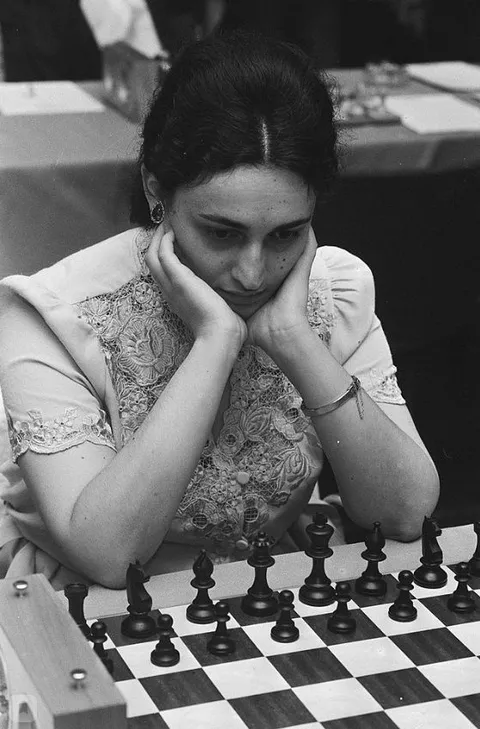
Sixth women's world chess champion, 1978–1991 Maia Chiburdanidze was born in 1961 in Kutaisi (Georgia). At just 12 she was included in the USSR team. The world championship match between two Georgians — world champion N. Gaprindashvili and challenger M. Chiburdanidze — was held in Pitsunda from 18 August to 5 October 1978 over the best of 16 games. Chiburdanidze took the lead from the start and kept it to the end, winning 8.5:6.5.
Chiburdanidze is a nine-time winner of the Chess Olympiad. She achieved this playing for the USSR in 1978, 1980, 1982, 1984 and 1986 and for Georgia in 1992, 1994, 1996 and 2008. In the number of women's Olympiad victories she is second only to Nona Gaprindashvili (10 victories with the USSR team and one with Georgia). Although chess became most of Maia Grigoryevna's life, it did not fill all of it. She was always interested in languages, history and philology too. She graduated from a medical institute as a cardiologist.
Xie Jun
Xie Jun, born on 30 October 1970 in Baoding (China), is a Chinese chess player and one of three world champions (Elisaveta Bykova, Xie Jun and Hou Yifan) who managed to win the chess crown back after losing it. She was world champion first from 1991 to 1996 and again from 1999 to 2001. FIDE Senior Trainer and International Arbiter (2004). As of February 2021, president of the Chinese Chess Association.
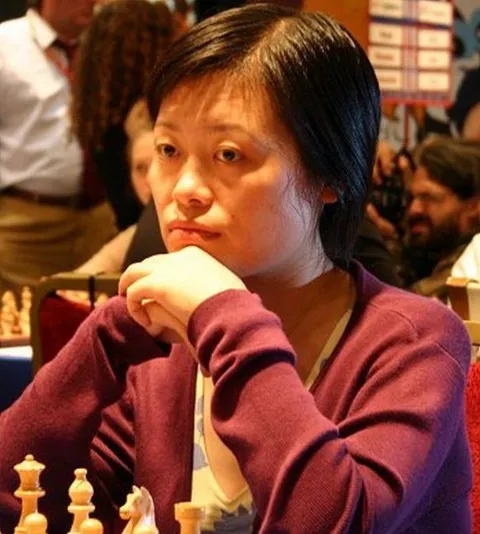
Seventh women's world chess champion, 1991–1996 and 1999–2001 Xie Jun was born in 1970 in Baoding (China). She began playing xiangqi at 6 and at 10 became Beijing girls' xiangqi champion. At the government's insistence she soon switched to Western chess as well. In 1991 Xie Jun won the Women's World Chess Championship for the first time, defeating Maia Chiburdanidze.
In 1991 Xie Jun won the women's world title for the first time, beating Maia Chiburdanidze 8½–6½. In 1993 she successfully defended the title against Nana Ioseliani, winning 8½–2½, and became a grandmaster the same year. She lost the title in 1996 to Zsuzsa Polgár, 4½–8½. In 1999 she regained it by defeating Alisa Galliamova 8½–6½ after FIDE had stripped Zsuzsa Polgár of the title. In 2000 FIDE changed the format of the world championship to a knockout system. Xie Jun beat the Chinese player Qin Kanying 2½–1½ in the final match, becoming the first woman to win the world title in a knockout event.
Zsuzsa Polgár
Susan (Zsuzsa) Polgár (Hungarian: Polgár Zsuzsa), born on 19 April 1969 in Budapest (Hungary), is a Hungarian, later American, chess player and FIDE Senior Trainer (2004). She was born into a Jewish family in Budapest. All three children — the sisters Zsuzsa, Zsófia and Judit — were home-schooled, and from early childhood they were taught chess by their father, the psychologist and educator László Polgár. The sisters all became strong players: Zsuzsa Polgár is a grandmaster who lives with her husband in New York, USA; Judit Polgár is still considered the strongest woman player in history and lives in Hungary; and Zsófia Polgár (Kosashvili) is an International Master in Israel.
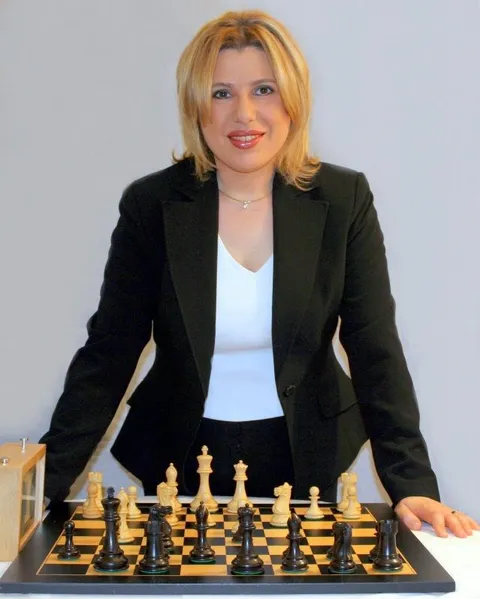
Eighth women's world chess champion, 1996–1999 Susan (Zsuzsa) Polgár was born in 1969 in Budapest (Hungary). In 1996 she became world champion by winning the match against Xie Jun. In 1999 FIDE stripped her of the title. She later challenged the decision in court and won, but by then the title had already been contested.
She is known as Zsuzsa Polgár: Zsuzsa is a diminutive of Zsuzsanna. In January 1991 Polgár became a grandmaster under the men's criteria (Nona Gaprindashvili and Maia Chiburdanidze had earned the title before her). In 1996 she became world champion by beating Xie Jun. Besides Hungarian, Susan Polgár speaks six languages: Esperanto, which she has spoken since early childhood, German, Russian, Spanish, English and Hebrew.
Zhu Chen
Zhu Chen was born on 16 March 1976 in Zhejiang (a province in eastern China). Although she was born in the provinces, she did not go unnoticed, thanks to her great talent and a well-built selection system. She won the world under-12 championship by a wide margin, confirming her promise, and followed it with two more important victories in under-20 championships.
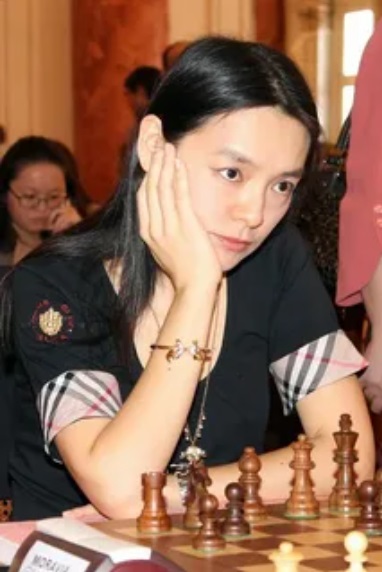
Ninth women's world chess champion, 2001–2004 Zhu Chen was born in 1976 in Zhejiang (a province in eastern China). At the knockout world championship (Moscow, 2001) she reached the final and beat Alexandra Kosteniuk 5:3, winning the title of world champion.
In 2001 Zhu Chen reached the final of the world championship, held for the first time as a knockout. Her opponent was Alexandra Kosteniuk, a rising star of Russian chess. The match was undoubtedly the highlight of the event: every game was decisive — not a single draw! The main part ended 2:2, with Alexandra Kosteniuk winning the 4th game with Black. The match went to a tie-break. The expectation that Zhu Chen would be demoralised by the loss in game 4 proved wrong: she played as if nothing had happened. First the players traded blows, then the Chinese player won twice and became the 9th women's world champion in history, with a score of 5:3. A year earlier the best Qatari player, Mohamad Al-Modiahki, had proposed to her, and they married in 2000. Everything has its price: a child was born, and Zhu Chen missed the next championship cycle. She did not give up chess, though she played less often — but less often did not mean worse. At the Olympiad (Bled, 2002) she led the Chinese team, which won the Olympiad again. In 2010, now under the flag of Qatar, Zhu Chen was again among the contenders for the title.
Antoaneta Stefanova
Antoaneta Stefanova, born on 19 April 1979 in Sofia (Bulgaria), is a Bulgarian chess player, European champion (2002) and world rapid champion (2012). She started playing at the age of 4 and won her first prestigious award in 1989, when she became world girls' under-10 champion. Later she became European girls' under-14 rapid champion. In 2002 she became an International Grandmaster.
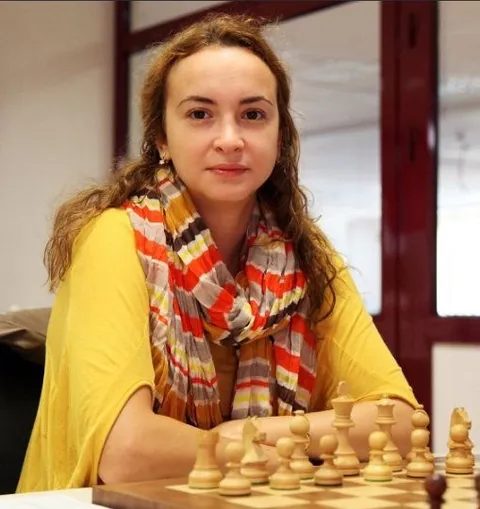
Tenth women's world chess champion, 2004–2006 Antoaneta Stefanova was born in 1979 in Sofia (Bulgaria). On 5 June 2004 she beat Ekaterina Kovalevskaya of Russia 2.5–0.5 in the final of the women's world championship and became women's world chess champion.
For many years Antoaneta was among the 20–30 strongest women in the FIDE rating list. Once she nearly became champion again: at the 2012 world championship in Khanty-Mansiysk Stefanova reached the final, but in the decisive match her opponent, Anna Ushenina of Ukraine, proved stronger (2:2, 1½:½). The Bulgarian consoled herself by winning the world rapid championship. Antoaneta Stefanova is an honorary citizen of Plovdiv in her home country and a member of the FIDE Women's Commission. She stresses the importance of developing women's chess and believes it gets less attention than men's competitions. She is convinced that chess can become a full-fledged profession for women.
Xu Yuhua
Xu Yuhua was born on 29 October 1976 in Jinhua (Zhejiang Province, China). She started with Chinese chess, but on the wave of Xie Jun's successes switched to Western chess. At 16, a provincial girl with no experience at international level and not even a rating, she qualified from the Asian zonal tournament to the Interzonal. In 2000 Xu played in the first of the three Olympiads she won (2000, 2002, 2004), but in the individual world championship Natalia Zhukova beat her in the third round. Nevertheless, a year later the strong-willed player won the Chinese qualifying tournament, finishing 2.5 points ahead of Zhu Chen! In the Europe — Asia match (2001) Xu Yuhua literally crushed Chiburdanidze, Kovalevskaya, Gurieli and Ioseliani, scoring 6.5 out of 8 against them. Surprisingly, only then did FIDE award her the grandmaster title.
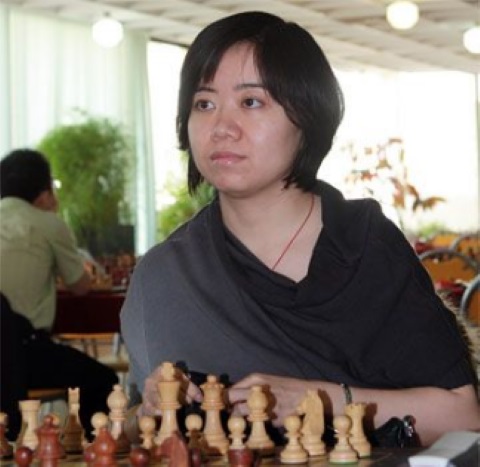
Eleventh women's world chess champion, 2006–2008 Xu Yuhua was born in 1976 in Jinhua (Zhejiang Province, China). Women's world chess champion in 2006, when she beat Alisa Galliamova in the final match. She won the World Cup in 2000 and 2002. Three-time Olympic champion with the Chinese team (2000, 2002 and 2004). She took part in the FIDE Women's Grand Prix 2009–2010 and won its second stage.
Success often comes when you least expect it: by defeating Anna Ushenina, Ekaterina Kovalevskaya, Tatiana Kosintseva, Svetlana Matveeva and Alisa Galliamova, Xu Yuhua became world champion, earned the men's grandmaster title and reached her personal rating record (2517). In 2008 she lost the crown, and after the 2009–2010 Grand Prix series, where she won her first stage and then played less successfully, she decided to end her sporting career. In 2011 Xu Yuhua defended a master's thesis in literature, studying Chinese linguistics. Unlike her idol Xie Jun, Xu did not stay in sport; she now helps university applicants and is writing a book about the various dialects of the language of the world's most populous country.
Alexandra Kosteniuk
Alexandra Konstantinovna Kosteniuk, born on 23 April 1984 in Perm (Russia), is a Russian chess player and grandmaster (2004). Two-time Russian champion (2005, 2016). European champion (2004). Swiss champion (2011). Three-time winner of the Chess Olympiad (2010, 2012, 2014) and five-time winner of the European Team Championship (2007, 2009, 2011, 2015, 2017) with the Russian team. Winner of the World Team Championship (2017) and medallist of world team championships with Russia (2011, 2013, 2015, 2019). Runner-up in the world rapid championship (2012, 2014, 2016). Two-time world Fischer Random champion (2006, 2008). Two-time European women's rapid champion (2015, 2019). Three-time European women's blitz champion (2001, 2017, 2019).
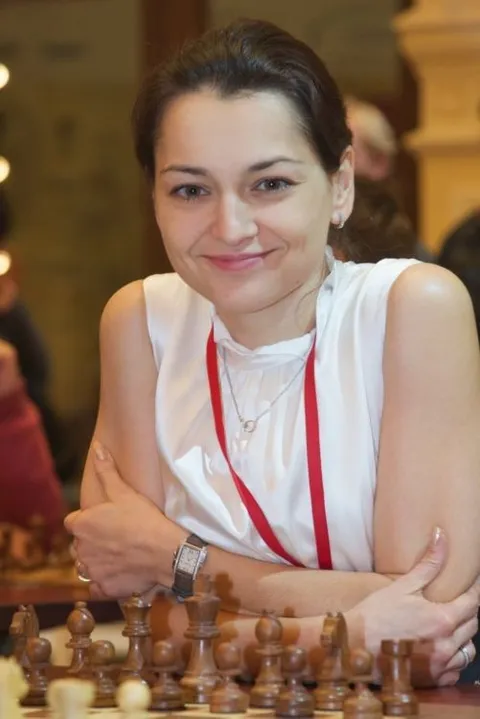
Twelfth women's world chess champion, 2008–2010 Alexandra Kosteniuk was born in 1984 in Perm (Russia). The pinnacle of a chess player's career is the title of world champion. Alexandra Kosteniuk held the title from September 2008 to December 2010.
In 2011 she enrolled in the master's programme “Concepts and Technologies of Intellectual Games” at the Moscow State Academy of Physical Culture. She wrote the book about her development, “How to Become a Grandmaster at 14”, together with her father over two years; it was published in Russian, English and Spanish. Her father, Honoured Coach of Russia Konstantin Kosteniuk, is her coach. Her younger sister Oksana is also a chess player. She is married to the Russian grandmaster Pavel Tregubov.
Hou Yifan
Hou Yifan, born on 27 February 1994 (China), is a Chinese chess player, four-time women's world champion (2010, 2011, 2013, 2016) and three-time winner of the Women's World Team Championship with China (2007, 2009, 2011). One of three world champions (Elisaveta Bykova, Xie Jun and Hou Yifan) who managed to win the crown back after losing it. She has the highest FIDE rating among women.
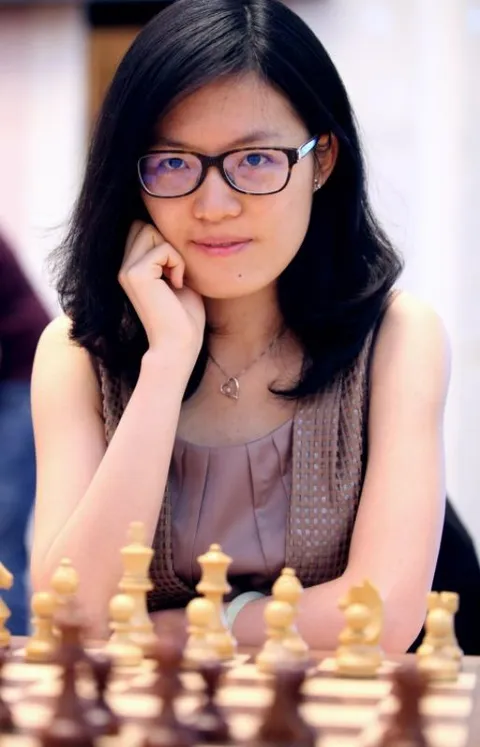
Thirteenth women's world chess champion, 2010–2012, 2013–2015 and 2016–2017 Hou Yifan was born in 1994 (China). She became world champion four times (2010, 2011, 2013, 2016). At 16, Hou Yifan was the youngest women's world chess champion in history; before her the youngest had been Maia Chiburdanidze, who won the title in 1978 at the age of 17. So by the age of 22 Hou Yifan had established herself as the queen of chess, with a rating reaching 2680…
It seemed Hou Yifan was ready to stir things up in the men's kingdom. She was invited more and more often to prestigious events. In early 2015 she performed creditably at the Wijk aan Zee super-tournament. Her rating reached 2672 — only three points less than Judit Polgár, considered the best woman player in history. She was just 21 at the time, and had she kept progressing at the same pace, Magnus Carlsen and company would indeed have had reason to worry. In any case, the men already treated her as a worthy opponent.
At the Tradewise Gibraltar Chess Festival (Gibraltar 2017, the 15th international tournament, held from 24 January to 2 February 2017) Hou Yifan finished with 6/10; the tournament was won by Hikaru Nakamura. In the final round she played the Indian grandmaster Babu Lalith and resigned after the 5th move in protest against what she considered unfair pairings: she was unhappy at having faced 7 women in 9 rounds of the Swiss system and wanted to play on equal terms with men in the future.
In 2012 she entered Peking University. In 2017 she was awarded a Rhodes Scholarship and from 2018 studied at the University of Oxford. In 2020 she became the youngest professor at Shenzhen University.
Anna Ushenina
Anna Yuryevna Ushenina, born on 30 August 1985 in Kharkiv (Ukraine), is a Ukrainian chess player and Woman Grandmaster (2003). The first Ukrainian women's world champion (from 1 December 2012 to 20 September 2013). With the Ukrainian women's team she won the Chess Olympiad (2006), the European Team Championship (2013) and the World Team Championship (2013). European champion (2016). In July 2020 Ushenina won the FIDE and Chess.com women's speed chess championship: victory in the first Grand Prix stage and second place in the second (both times in matches against GM Valentina Gunina) took her to the Superfinal, where she won a hard-fought victory over Alexandra Kosteniuk, 14.5–13.5.
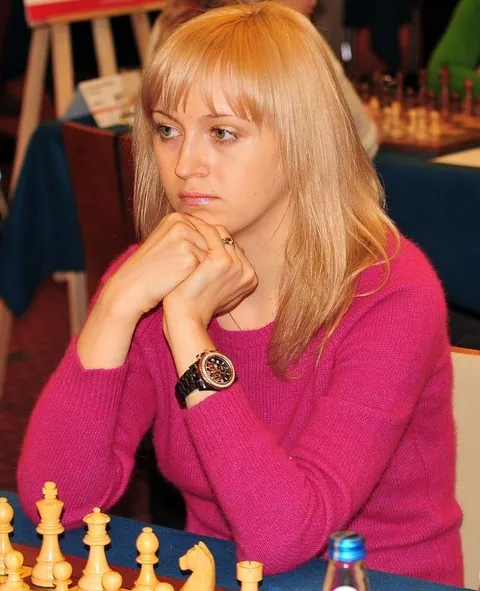
Fourteenth women's world chess champion, 2012–2013 Anna Ushenina was born in 1985 in Kharkiv (Ukraine). At the Women's World Championship in Khanty-Mansiysk (2012) she won the chess crown, beating Antoaneta Stefanova of Bulgaria in the final on tie-break (2:2, 1½:½). As a result of this tournament Anna was awarded the title of International Grandmaster…
According to the player herself, she is transformed when she sits down at the board. It is well known that men and women play separately and hold their own championships. The champion says this has less to do with the type of thinking than with emotional attitude: men at the board behave more peaceably than women, while women cast off all meekness and become uncompromising. Women are always ready to fight for victory to the very end.
Mariya Muzychuk
Mariya Olegovna Muzychuk, born on 21 September 1992 in Stryi (Lviv Oblast, Ukraine), is a Ukrainian chess player: two-time Ukrainian champion (2012, 2013); with the Ukrainian women's team, winner of the World Team Championship (2013) and the European Team Championship (2013); Woman Grandmaster (2007), International Master (2008). In 2015 she won the title of the world's strongest woman player. FIDE again held the championship as a knockout. In the first round Mariya beat Yuan Yuanling (2.5:1.5). In the second round her opponent was Monika Soćko, whom she beat 3:1. In the round of 16 she faced Antoaneta Stefanova and won 1.5:0.5. In the match for a place in the semi-final she beat Koneru Humpy 2.5:1.5. Her semi-final against Harika Dronavalli was dramatic: the Indian player took the lead, but Mariya managed to come back and win 3.5:2.5. In the final the Ukrainian faced Natalia Pogonina of Russia and won a sensational victory, 2.5:1.5.
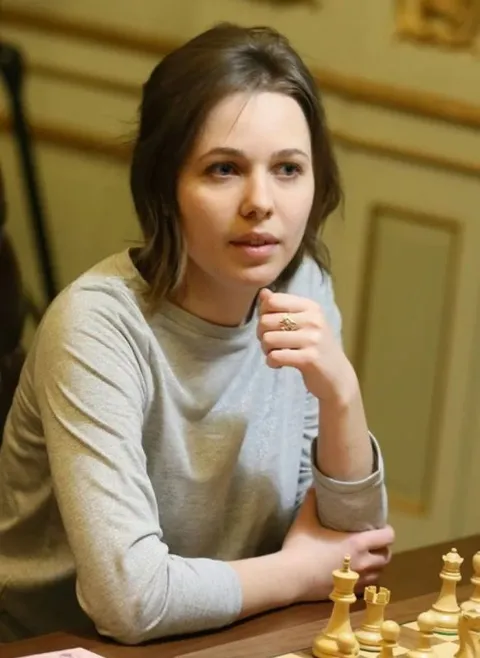
Fifteenth women's world chess champion, 2015–2016 Mariya Muzychuk was born in 1992 in Stryi (Ukraine). In 2015 she became world champion, winning the title in a knockout tournament. During the championship the future champion was coached by grandmaster Alexander Beliavsky. For her victory in the world championship, on 8 April 2015 she was awarded the Order of Merit, 3rd class.
In March 2016 Muzychuk played a title match against Hou Yifan (the Chinese player had won the Candidates tournament). Mariya lost 3:6 and gave up the champion's title. She received the FIDE Caissa Award 2015 as the best woman player of the year — the “Caissa” chess Oscar.
Tan Zhongyi
Tan Zhongyi, born on 29 May 1991 in Chongqing (China), is a Chinese chess player and grandmaster (2017). Women's world champion (2017–2018). With the Chinese women's team she played in 3 Chess Olympiads (2008, 2014, 2016) and 4 World Team Championships (2009–2015; in 2009 for the second team). At the 2016 Olympiad she won two gold medals — in the team event and for the best result on board 4 (performance 2565; +7 −0 =4). Winner of the Women's World Team Championship (2011). Chinese champion (2015).
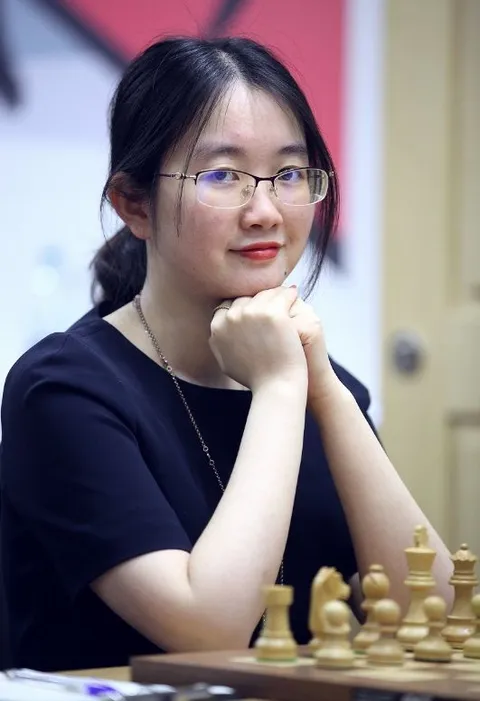
Sixteenth women's world chess champion, 2017–2018 Tan Zhongyi was born on 29 May 1991 in Chongqing (China). The world championship held in Tehran in 2017 was, as had become traditional, a knockout with 64 players. Tan's opponent in the final was the Ukrainian Anna Muzychuk. In a stubborn match Zhongyi won 3.5:2.5 and became world champion.
Tan attributed her success in the championship to working with Yu Shaoteng. The experienced coach had worked for several years with another Chinese world champion, Hou Yifan. Shaoteng shared his knowledge of preparing for knockout events and helped her improve her endgame play. Strong play in the final stage of games became Zhongyi's trademark during the three weeks in Tehran. She reached her peak rating of 2523 Elo in October 2017 (and again in January 2018). She still lives in Chongqing and plays for the city's team in Chinese team championships.
Ju Wenjun
Ju Wenjun, born on 31 January 1991 in Shanghai (China), is a Chinese chess player and grandmaster (2014). Winner of the World Team Championship (2009, 2011) and the Chess Olympiad (2016, 2018). Women's world champion (since 18 May 2018). On 23 November 2018 Ju Wenjun became the first world champion to defend her title in a knockout. On 24 January 2020 she retained the title by beating Aleksandra Goryachkina of Russia. Each player won three games in the match, which went to a tie-break. The final score was 6 (2.5) – 6 (1.5) in favour of the Chinese player.
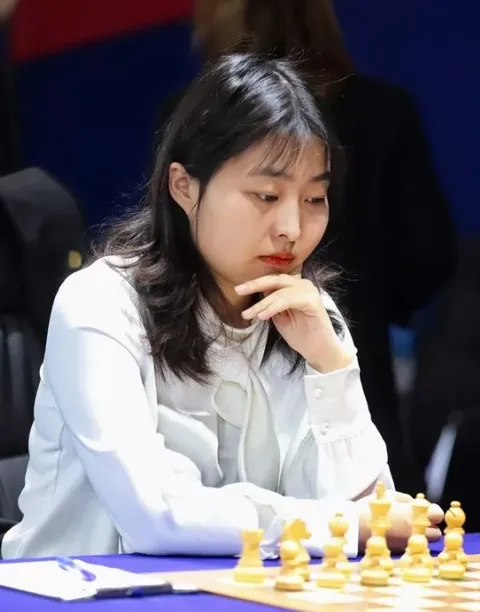
Seventeenth women's world chess champion (since 2018) Ju Wenjun was born in 1991 in Shanghai (China). On 29 December 2017 Ju Wenjun won the world rapid championship held in Saudi Arabia. In May 2018 she became world champion in classical chess, beating Tan Zhongyi 5.5–4.5. On 23 November 2018 she won the world championship, beating Ekaterina Lagno of Russia on tie-break. On 24 January 2020 she retained the title by beating Aleksandra Goryachkina of Russia. In 2023 she defended the title in a match against her compatriot Lei Tingjie, and in 2025 in a match against Tan Zhongyi.
Ju Wenjun is one of the strongest women players in history. For a long time she was the world's second-rated woman, behind her compatriot, multiple world champion Hou Yifan, who announced in 2016 that she would no longer take part in the women's world championship cycle and women's tournaments.
Ju Wenjun graduated from the Shanghai University of Finance and Economics in 2015.
“I usually spend a lot of time calculating variations, and sometimes I am short of seconds on the clock. I think it is good to play fast, but it is not easy. My idea is this: if you don't know which move to make, just follow your heart!” (Ju Wenjun).